

The mechanical design of automatic roller shutters plays a crucial role in their durability, efficiency, and operational stability.
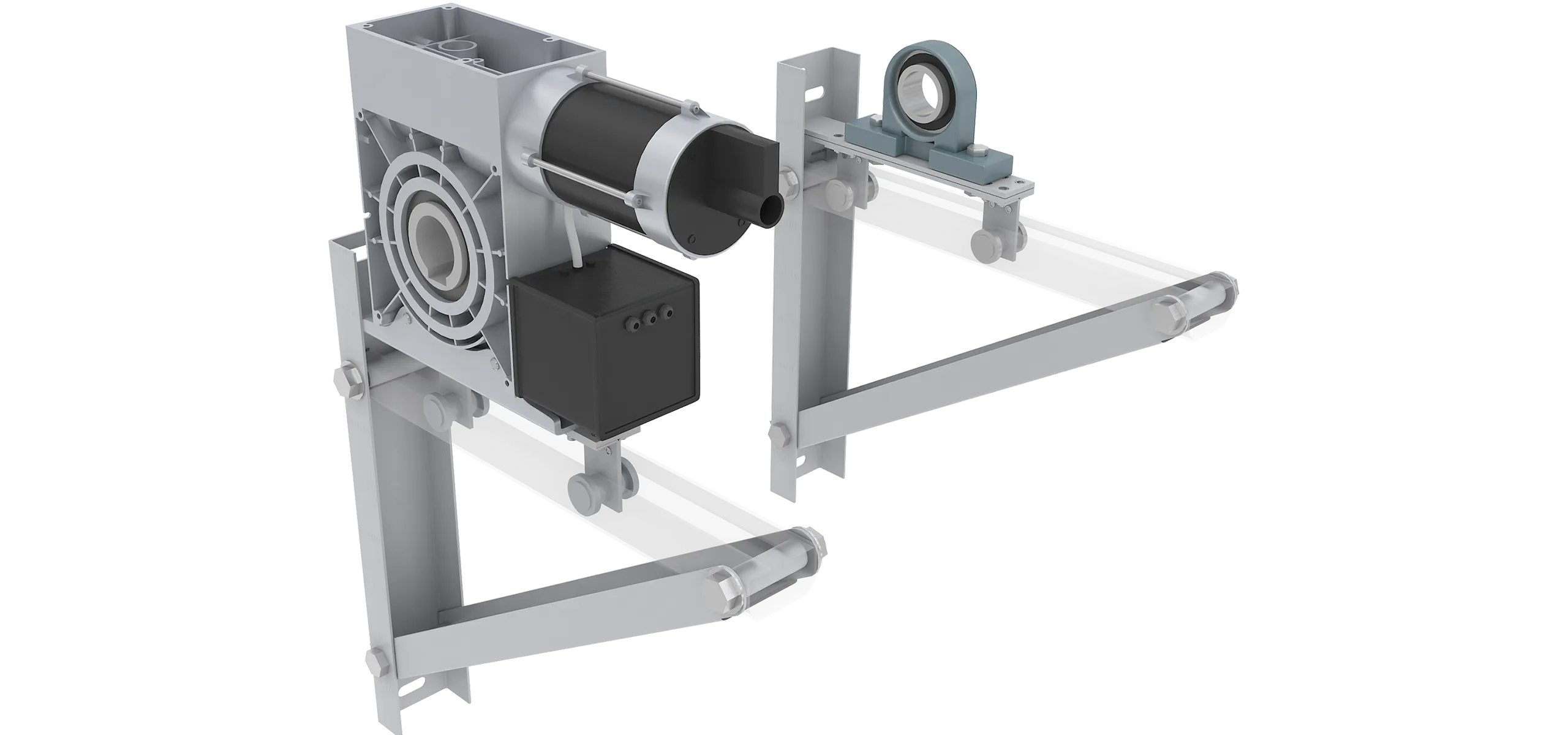
Sliding brackets technology allows the shaft to adapt to changes in the rolling diameter of the shutter curtain. This ensures that the curtain always enters the guide rails vertically and without distortion.
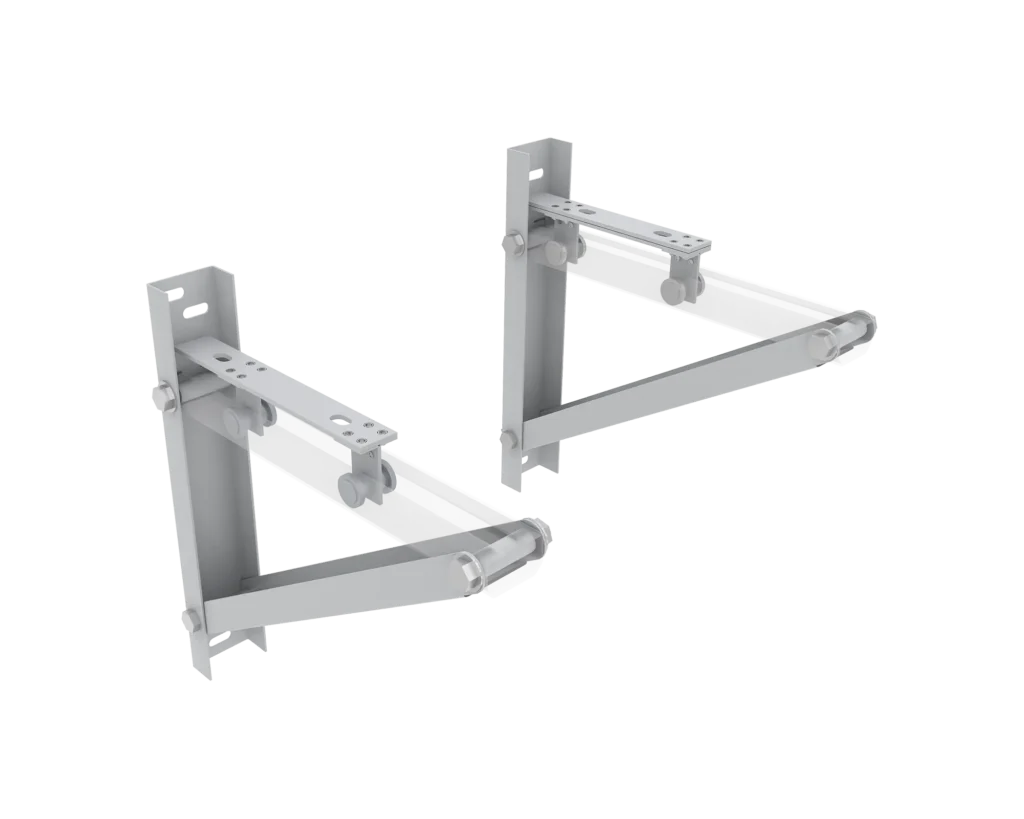
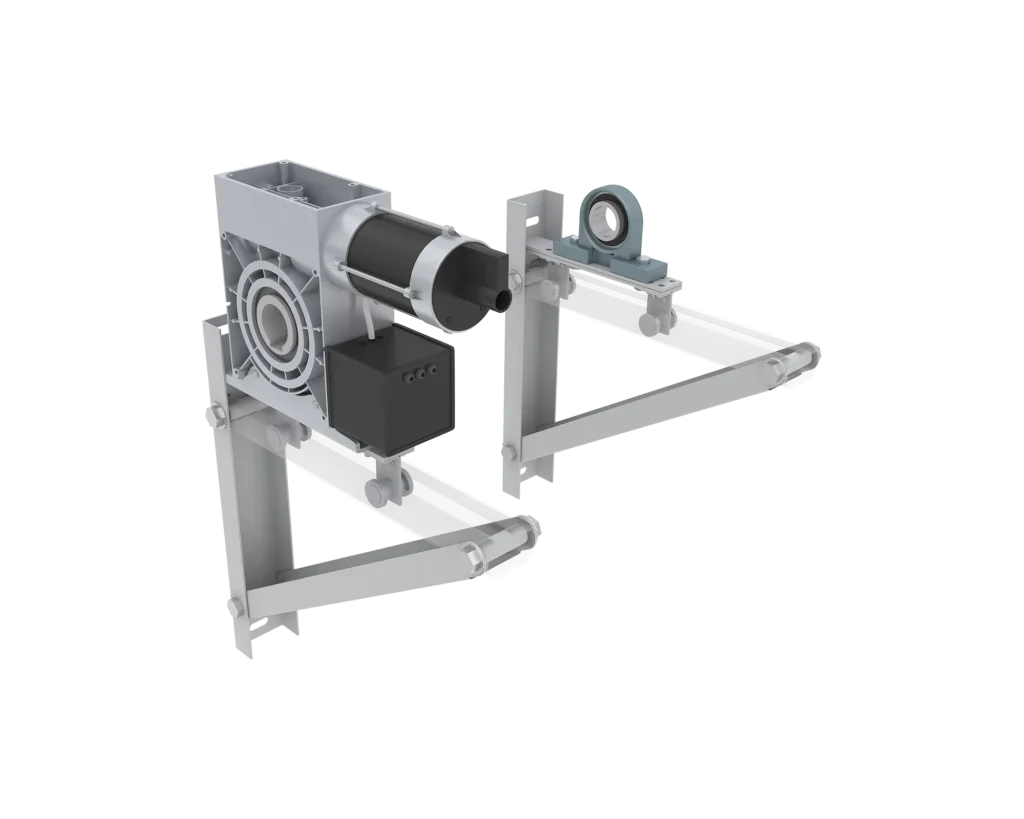
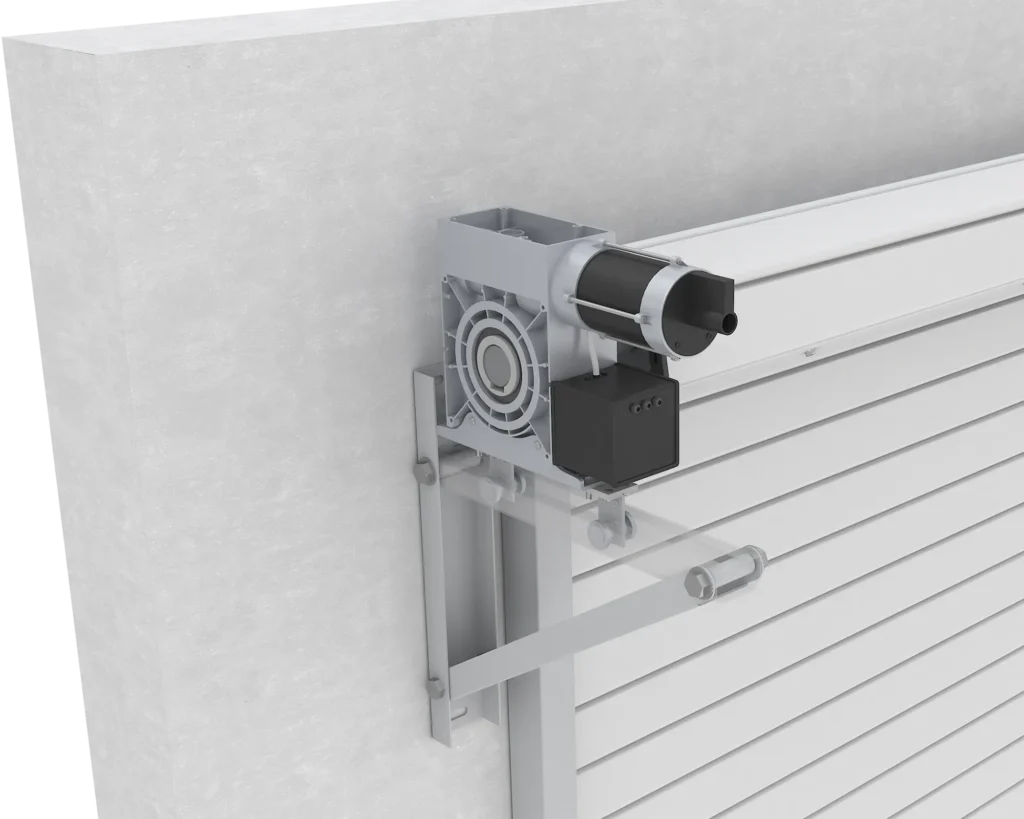
What Are Sliding Brackets?
Sliding brackets are adjustable mounting supports that allow the shaft axis to move as the shutter curtain rolls.
This flexibility ensures that the shutter curtain always enters the side guides in the correct vertical position.
Advantages of Sliding Brackets
Sliding brackets provide several key advantages for roller shutter systems:
- Improved alignment of the shutter curtain
- Reduced friction
- Longer service life
- Lower heat loss and improved building energy efficiency
- Reduced operating noise
- Increased resistance to external forces
- Reduced lintel height
- No scratch marks on the curtain
- Vertical and distortion-free entry into guide rails
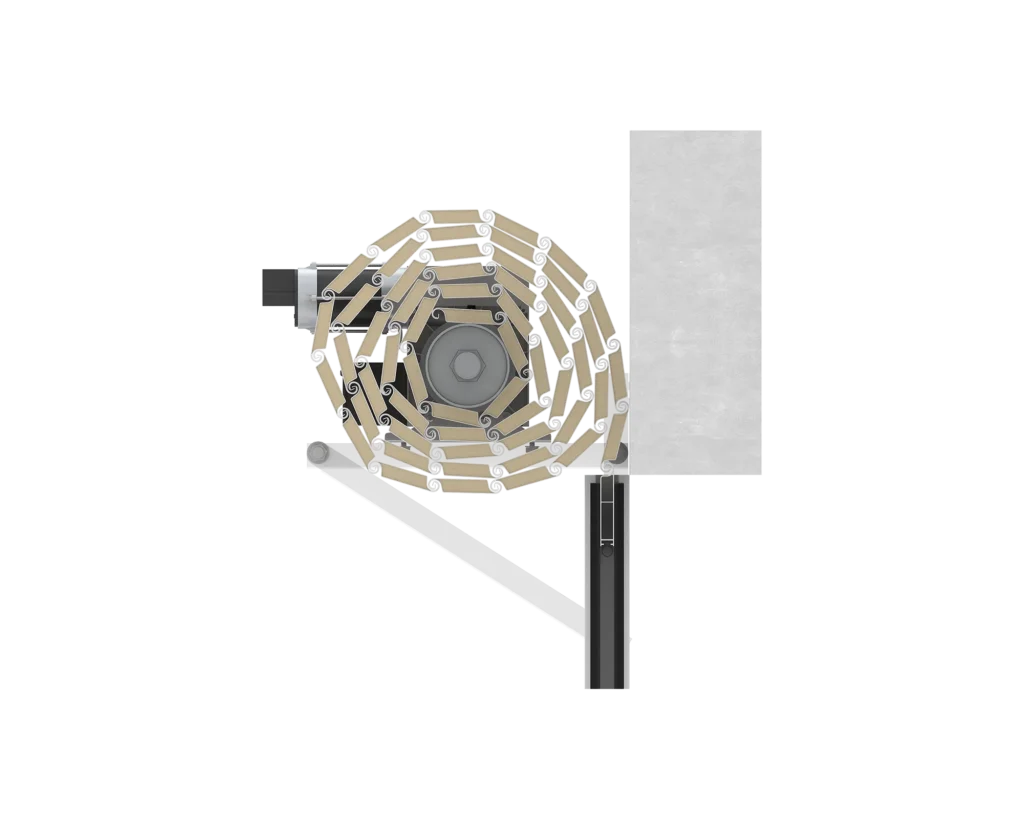
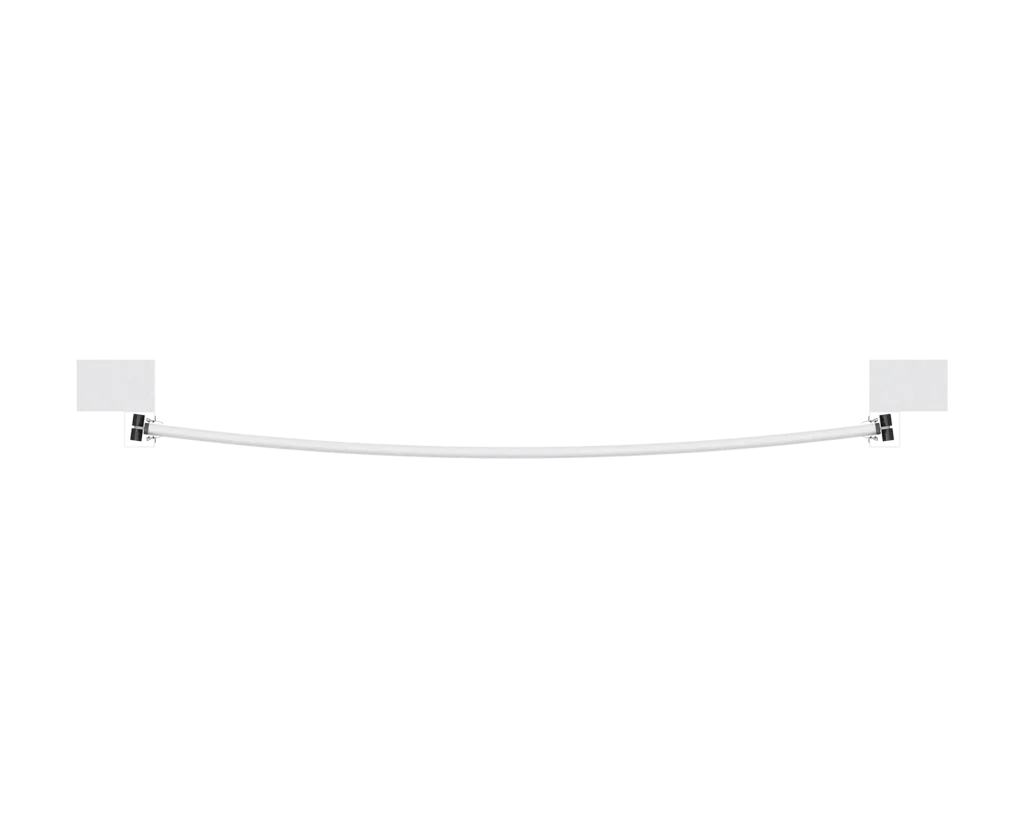
The Problem with Fixed Brackets
In traditional fixed bracket systems, the shaft axis does not always remain in the correct position.
Even with precise installation, the shutter curtain may fail to enter the side guides vertically, which leads to distortion.
This results in:
- Increased friction
- Higher operating noise
- Greater heat loss
Another issue is the minimum 16-degree gap between the lintel and the shutter curtain when the door is closed.
As the door height increases, this gap becomes larger and can create unwanted air circulation.
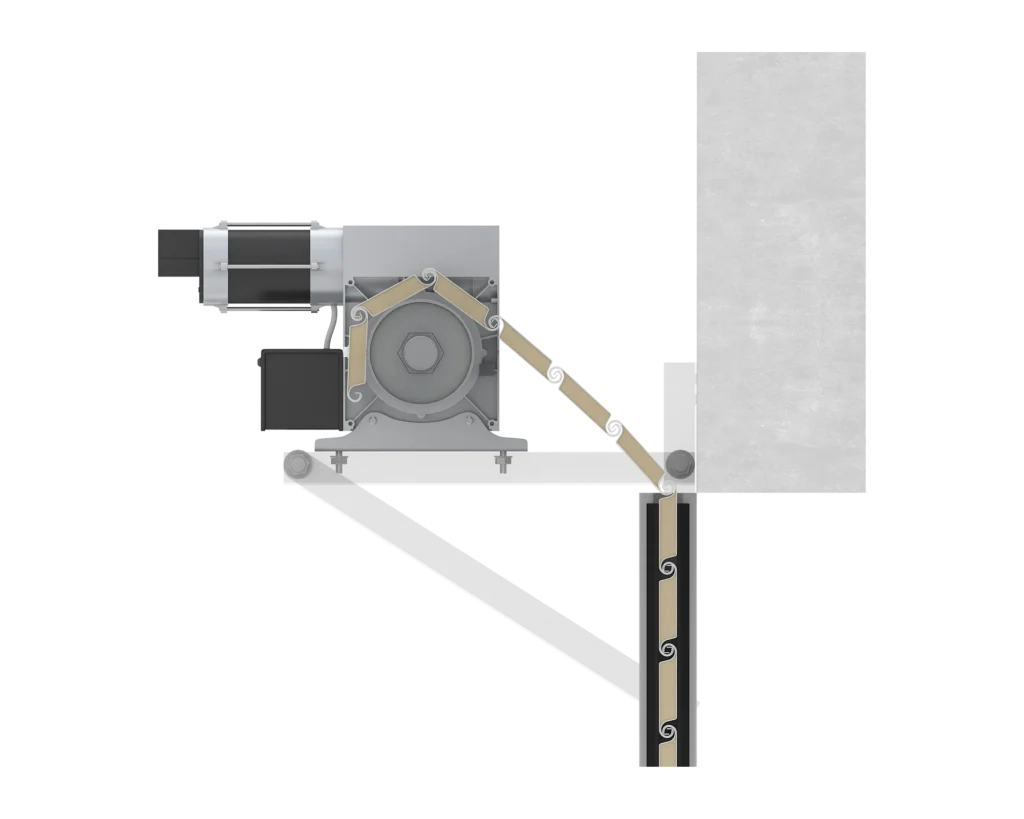
Sliding Brackets: The Solution
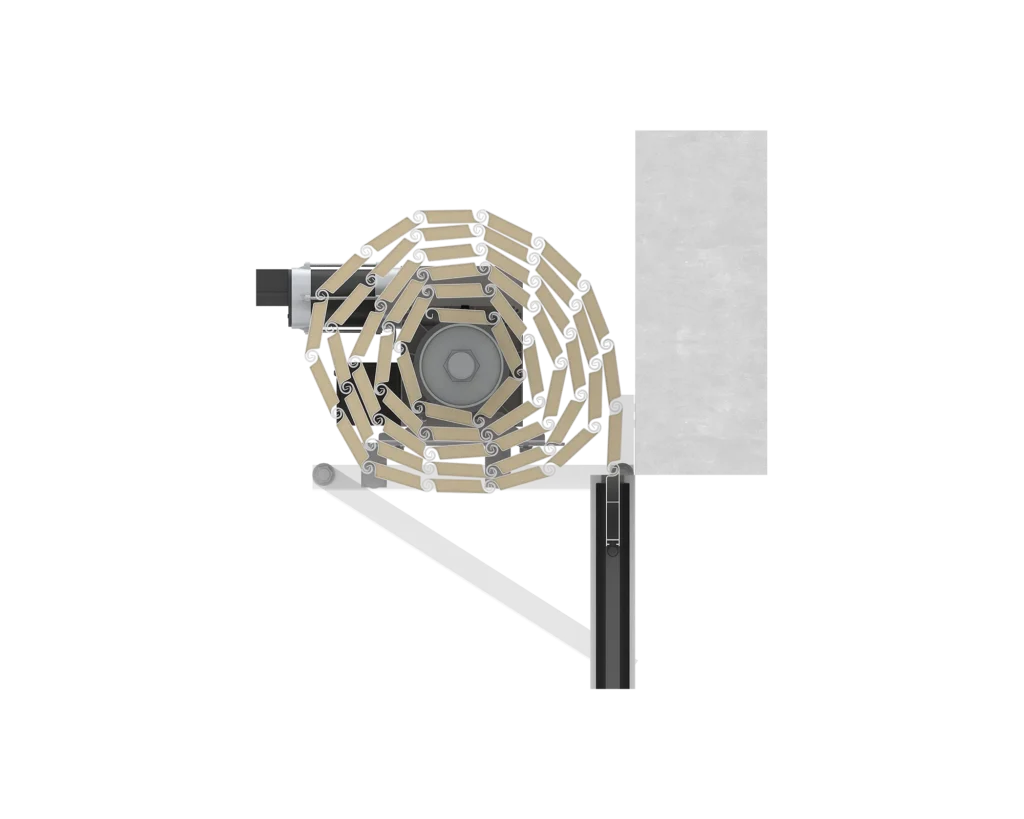
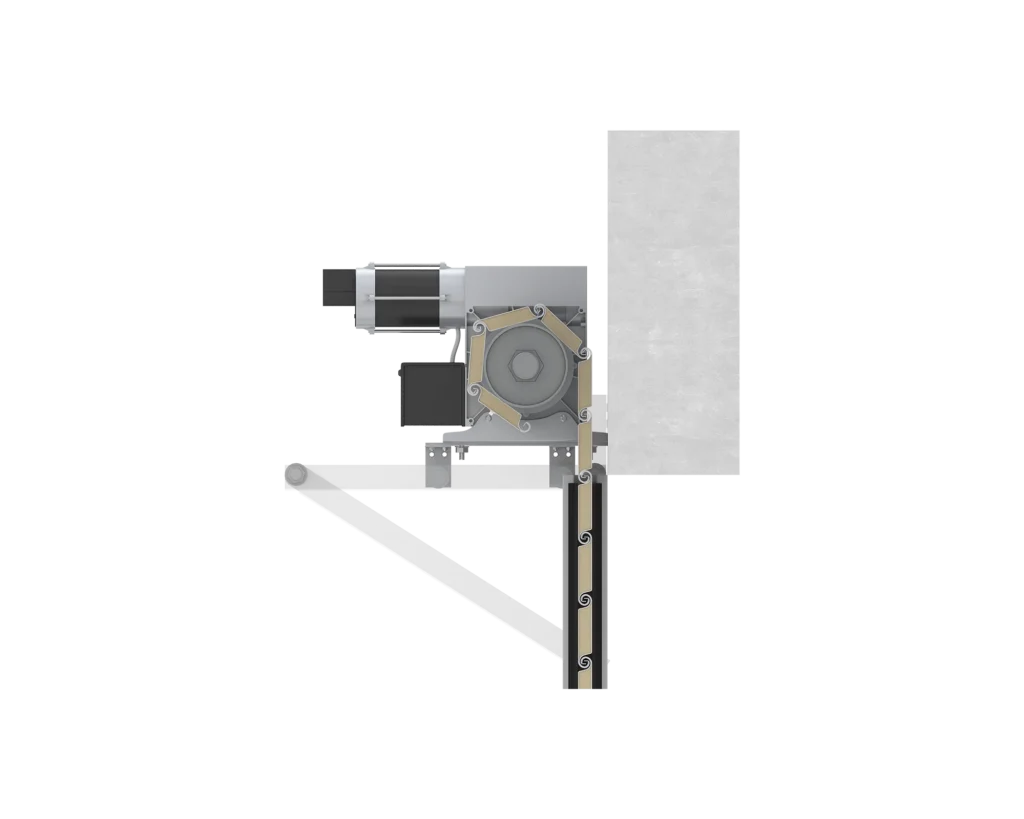
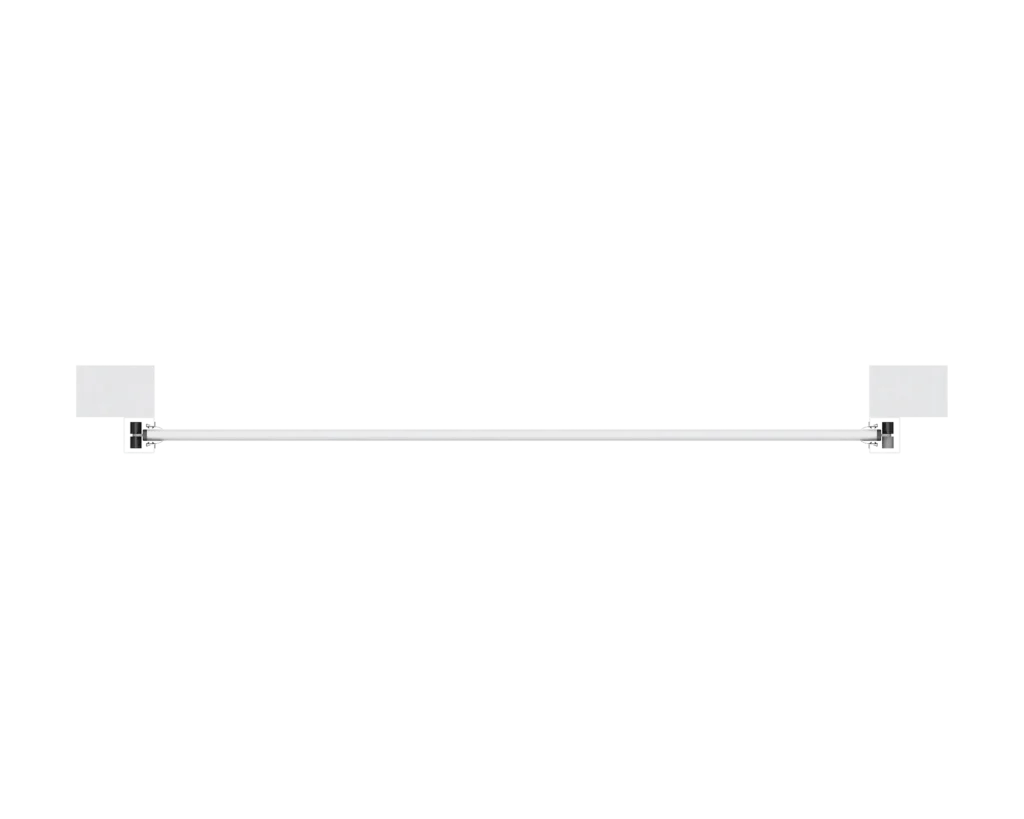
Sliding brackets allow the shaft to move freely when the door opens and approach the lintel without touching it.
As a result:
- The curtain enters the side guides vertically
- Friction is reduced
- Noise levels decrease
- The lifespan of the shutter system increases
Most importantly, sliding brackets improve the thermal resistance of the door.
The gap between the lintel and the curtain can be reduced to 5 degrees or less, providing better insulation.